Guide
A Practical Guide to Mexican-Indian Fusion Techniques
Discover the natural synergy between the Mexican and Indian pantries. This guide teaches home cooks how to marry familiar Mexican structures with the bold, aromatic logic of Indian spice layering.
The Core Philosophy: Form vs. Logic
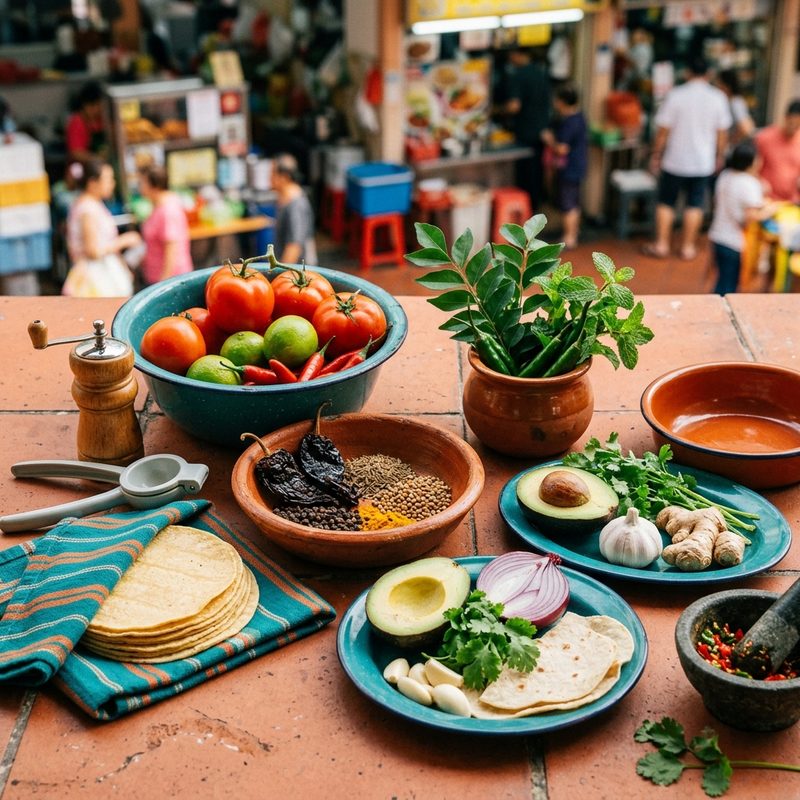
To cook Mexican-Indian fusion successfully, do not overcomplicate the plate. Choose one Mexican form—the vessel or structure of the dish—and apply one Indian spice logic—the way flavor is built. Mexican cooking relies on the deep, earthy heat of dried chilies and the brightness of lime; Indian cooking relies on the blooming of whole spices and the complexity of masalas. When you combine them, you aren't just making a 'curry taco'; you are using the heat of one culture to amplify the aromatics of the other.
Technique 1: The Tandoori Taco
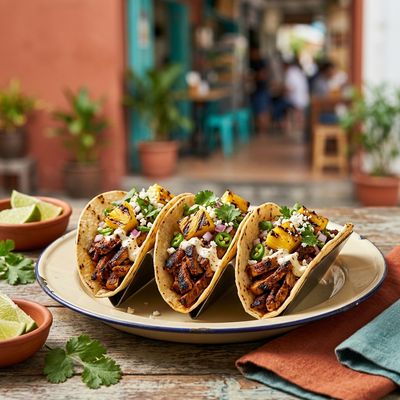
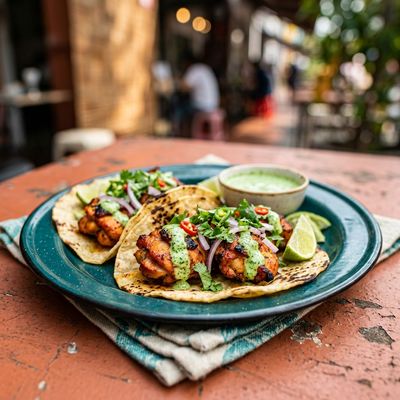
In this method, the Mexican form is the soft corn tortilla taco, while the Indian logic is the yogurt-based tandoori marinade. Instead of a simple citrus marinade for your protein, whisk together thick yogurt with ginger-garlic paste and ground Kashmiri chili. The lactic acid in the yogurt tenderizes the meat just like lime juice would, but adds a creamy depth. Roast your protein at high heat until charred, slice it thin, and tuck it into a warm tortilla. The form remains a taco, but the flavor profile is rooted in the clay oven traditions of the North.
Technique 2: The Tadka Salsa
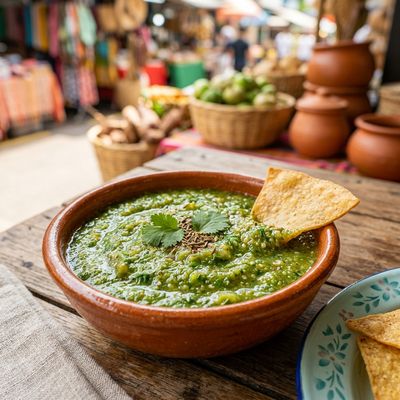
This technique uses the Mexican form of a salsa verde or roja and introduces the Indian logic of the 'tadka' or tempering. Prepare your favorite roasted tomatillo salsa as usual. Just before serving, heat a small amount of oil in a pan until shimmering. Drop in whole cumin seeds (jeera) and black mustard seeds (rai). When they begin to pop and dance, pour the hot oil and spices directly into the cold salsa. This flash-infusion adds a smoky, nutty dimension to the bright acidity of the tomatillos, bridging the gap between a dip and a chutney.
Technique 3: The Achar Elote
Here, the Mexican form is elote (street corn), and the Indian logic is 'achar' or pickling spice. Traditional elote uses mayo, cotija, and chili powder. To fuse them, toast whole fenugreek seeds (methi), fennel seeds (saunf), and nigella seeds (kalonji). Grind them coarsely and fold them into your mayo or crema. The bitter, punchy notes of the pickling spices cut through the sweetness of the corn and the richness of the dairy, mimicking the funky, fermented heat of an Indian mango pickle.
Technique 4: The Masala Mole
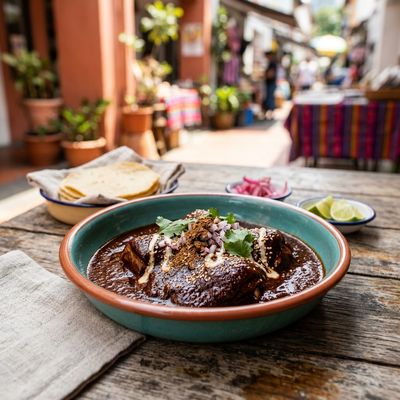
The Mexican form is the mole—a complex, blended sauce—while the Indian logic is the 'garam masala' or warm spice blend. Instead of using only Mexican cinnamon and cloves, expand the aromatic base. When toasting your dried chilies and nuts, add whole green cardamom pods, black peppercorns, and star anise to the pan. Blend these into the sauce. The result is a mole that retains its chocolatey, chili-driven heart but exhales the fragrant, floral heat of a traditional Indian spice blend.