Guide
Mastering Heat: A Practical Guide to Mexican-Indian Chilli Fusion
Understanding chillies is about more than just heat; it is about how spice carries flavor across cultures. This guide teaches you to pair Mexican vessels like the taco or salsa with Indian spice logics like masala and achar for vibrant, home-cooked meals.

Step 1: Identifying the Chilli Heat Profile
Before you cook, you must choose your weapon. For a bright, punchy heat similar to green Indian chillies, use the Serrano. It is the workhorse of the Mexican kitchen. If you want a deep, smoky undertone without overwhelming spice, use the dried Ancho (a dried Poblano). To bridge the two worlds, the Kashmiri chilli is your best friend; it provides the brilliant red hue found in Mexican salsas but with a mild heat that allows Indian spices to shine. When working with heat, always taste a tiny sliver of the raw chilli first—heat levels vary even within the same batch.
Step 2: Salsa Form with Achar Logic
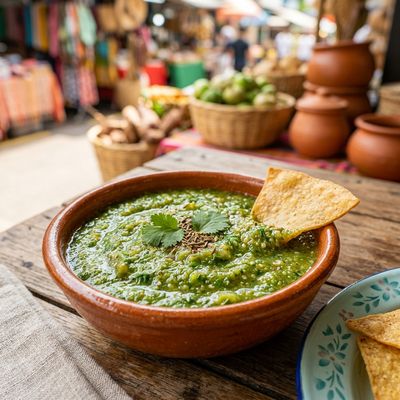
In this technique, the Mexican form is a cooked Salsa Roja, but the flavoring logic is Indian Achar (pickling). To do this, roast your tomatoes, onions, and Jalapeños until charred. While they cool, prepare a tempering. In a pan, heat mustard oil until smoking, then add whole spices: brown mustard seeds, fennel seeds, and a pinch of nigella seeds. Once they pop, pour this hot oil and the toasted spices directly into your blended salsa. The salsa provides the texture and acidity, while the achar logic provides the preservative, pungent depth usually reserved for Indian pickles.
Step 3: Taco Form with Masala Logic
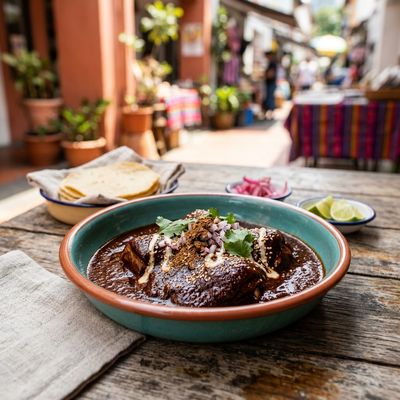
Here, the taco is the vehicle, but the protein is seasoned using the logic of a dry Masala. Instead of using pre-ground 'taco seasoning,' toast whole spices in a dry skillet: cumin seeds, coriander seeds, three cloves, and a small cinnamon stick. Grind these together with dried Guajillo chillies. Use this potent dust to sear your meat or vegetables. The form remains a classic taco—served in a corn tortilla with lime—but the spice logic is pure Indian masala, creating a deeper, more aromatic profile than traditional Mexican variants.
Step 4: Managing the Burn
If your fusion dish becomes too hot, do not reach for water. Use the Indian logic of dairy or the Mexican logic of fat. A dollop of thick yogurt (Raita style) or a slice of fatty avocado will coat the tongue and dissolve the capsaicin. To keep the heat consistent, always remove the white pith and seeds from your Serrano or Jalapeño peppers unless you are looking for a truly aggressive spice level.